


What is the energy consumption of an LED panel?
"LED Panel Uses a Lot of Energy" refers to the amount of electricity an LED display uses during operation. It is usually measured in watts per square meter (W/m²) or kilowatt-hours (kWh). This value indicates how much energy your screen needs to produce brightness, color, and images, and is a crucial factor in calculating operating costs and energy efficiency.
Why are LED panels energy efficient?
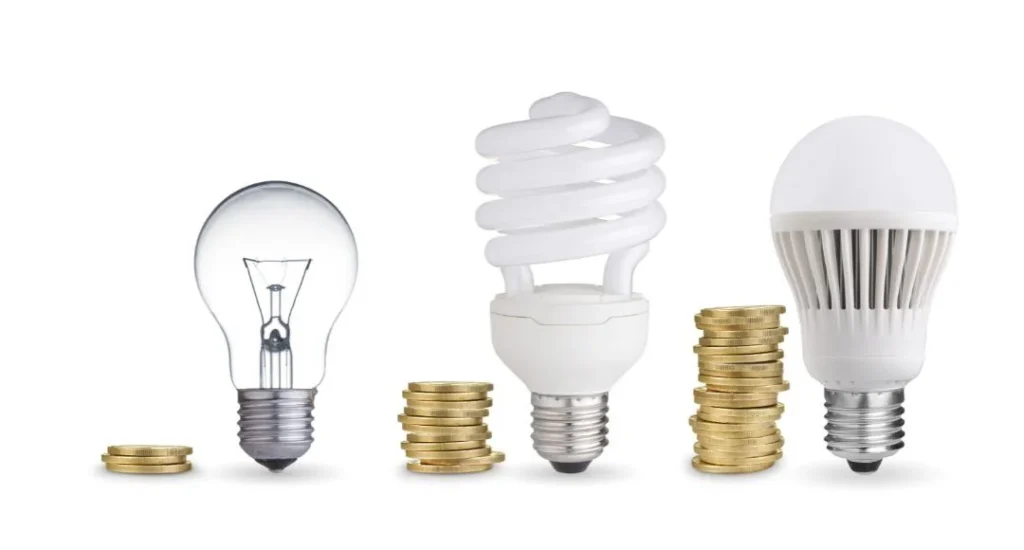
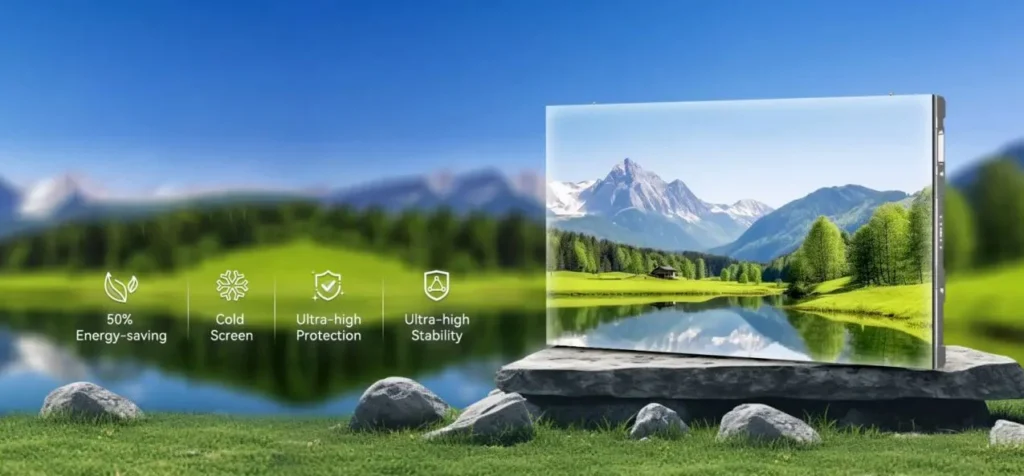
Compared to traditional lighting or LCD screens, LED panels They are more energy efficient. They convert a higher percentage of electrical energy into light, rather than heat. This means less wasted energy and lower electricity bills, especially in large installations, such as billboards or video walls.
For example, an indoor LED panel can consume between 300 and 800 W/m², while high-brightness outdoor panels range from 600 to 1200 W/m², depending on pixel spacing and brightness requirements.
Factors Affecting Energy Consumption of LED Panels
- Brightness Level (Nits): Higher brightness requires more energy. Outdoor screens, designed to compete with sunlight, consume more energy than indoor screens.
- Pixel Distribution: Smaller pixel distributions (e.g., P2.5) contain more LEDs per square meter, increasing energy consumption. Larger layouts (e.g., P10They use fewer LEDs, therefore they consume less energy.
- Content Type: Bright or predominantly white visual content requires more electricity than darker or less saturated content.
- Operating Hours: The longer the LED panel is left on per day, the greater the total energy consumption will be.
- Power Supply Efficiency: High-quality power supplies can minimize energy losses, improving overall efficiency.
How to calculate the energy consumption of LED panels
To estimate how much energy your LED panel consumes, use this formula:
Total Power (kWh) = (Panel Power x Operating Hours x Number of Panels) ÷ 1000
Example:
If a panel consumes 800W and operates 10 hours a day with 5 panels:
(800 x 10 x 5) ÷ 1000 = 40 kWh/day
At R$0.64 per kWh, your daily cost would be R$25.41.
Tips for Reducing the Cost of LED Screens
- Use automatic brightness sensors to adjust the brightness according to the ambient light.
- Program the automatic shutdown when the screen is not in use.
- Choose high-efficiency LED modules from reputable manufacturers.
- Maintain adequate ventilation to prevent overheating and energy loss.
Final Considerations
Understanding LED Panel Energy Consumption helps you balance performance and efficiency. Whether managing a digital billboard, a stage backdrop Whether it's a rental screen or not, optimizing energy use can reduce costs and extend the lifespan of your equipment.