


When deciding to buy a LED panel for an application commercial Whether for industrial or commercial use, you're not just buying a screen; you're investing in a communication tool that needs to withstand hours of continuous operation. By 2026, technology has advanced significantly, prioritizing contrast, energy efficiency, and seamless integration over excessive brightness.
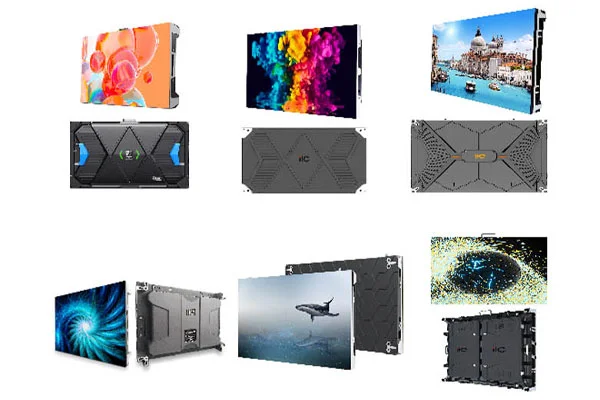
Understanding pixel spacing (P)
- Distance between fine points (P0,9 – P1,8): Ideal for indoor environments such as meeting rooms, command centers and stores of a high standard, where spectators are 2 to 5 meters away.
- Standard for Indoor Environments (P2.0 – P4.0): Ideal for shopping malls, exhibition halls, and interior signage.
- Exterior panels (P5.0 – P10.0): These panels have a wider pixel spacing, but offer extreme brightness to combat direct sunlight.
Formula for Viewing Distance:
A simple rule of thumb for a comfortable minimum viewing distance is:
d = PX 1000
(Where d it is distance in millimeters and P it is the spacing between pixels)
SMD vs. COB vs. GOB: Which technology wins?
Choosing the right surface technology determines the lifespan and durability of your monitor.
SMD (Surface Mounted Device)
The industry standard for years. Offers excellent color uniformity and is easy to repair at the individual pixel level.
Ideal for: Standard internal advertising and projects with limited budgets.
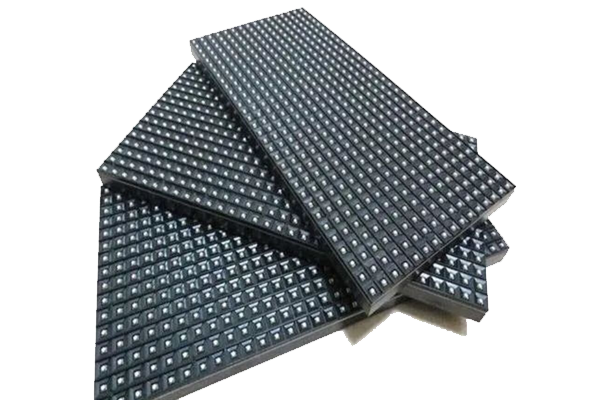
COB (Chip on Board)
In COB technology, LED chips are mounted directly onto the printed circuit board (PCB) and covered with a protective resin.
Why buy? It offers superior contrast (blacks are much deeper), a wider viewing angle, and is much more resistant to "pixel loss" caused by physical impacts.
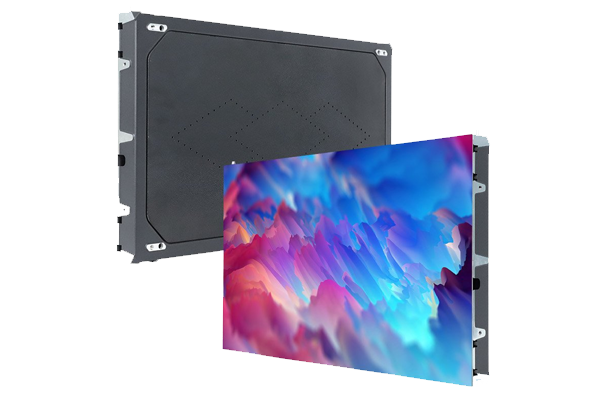
GOB (Glue on Board)
A hybrid solution where an SMD panel is coated with a transparent "glue" for protection.
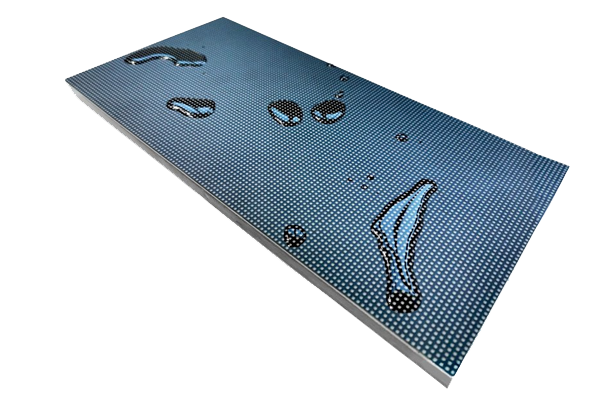
Why buy? If you say "I want to buy LED panels" for a high-traffic area where people might touch the screen, GOB offers waterproof and shockproof protection.
Essential specifications for commercial success
When looking for an LED panel for sale, pay close attention to these three performance metrics:
- Refresh rate: For professional video or streaming, look for 3840 Hz. Rates lower than that can result in "scan lines" appearing in photos or videos taken with a smartphone.
- Brightness (nits):
Interior: 600-1200 nits
Exterior: 5,000 – 8,000 nits - IP Rating: For use external, Make sure the panel has a minimum IP65 rating, which means it is dustproof and protected against water jets from any angle.
Comparative table: monitors for indoor and outdoor environments
| Feature | Indoor LED Panels | Outdoor LED Panels |
| Typical pixel size | P1.2 a P3.0 | P5.0 to P10.0 |
| Shine | Lower (Adjustable) | Ultra High (Readable in sunlight) |
| Durability | Aesthetic focus | Weather and UV resistant |
| Maintenance | Common front access | Traditional rear access |
Final considerations: Materials for cabinets
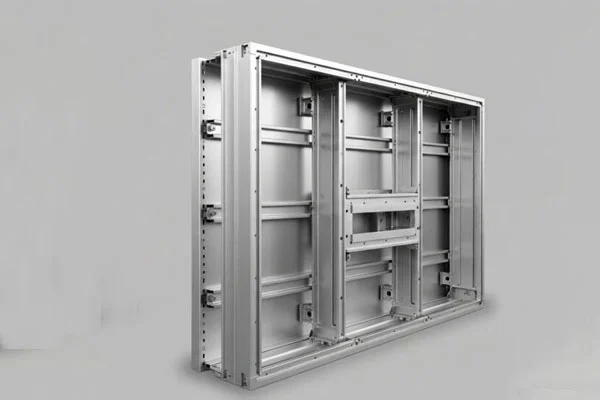
Cast aluminum
The premium choice. It's lightweight, offers excellent heat dissipation, and ensures that cases fit together perfectly without visible gaps.
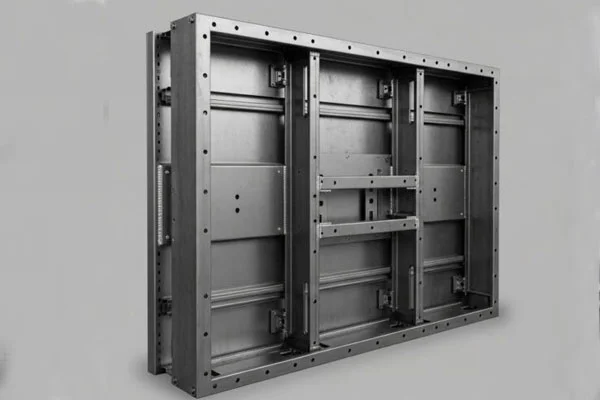
Steel cabinets:
Frequently used for large-scale billboards. They are heavy and durable, but require more robust structural support.
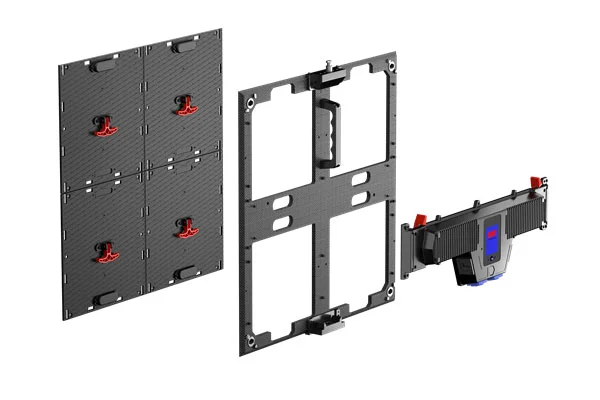
Carbon fiber:
The new product for 2026, used primarily in rental panels, where weight is the biggest concern for touring stages.
The verdict
If you're thinking about buying LED panels, start by measuring the viewing distance. If it's less than 3 meters, prioritize fine pixels (P1.5 or lower) and COB technology. If you're installing a billboard, prioritize IP65 or higher rating and a high refresh rate to ensure the content remains sharp in any weather condition.