


LED LED stands for Light Emitting Diode. In simple terms, it's a small semiconductor device that emits light when an electric current passes through it. This seemingly simple technology has revolutionized the way we use light in everything from everyday appliances to large display panels. But what does LED really mean and how does it work? Let's delve into it. definition for LED and explore its importance in today's world.
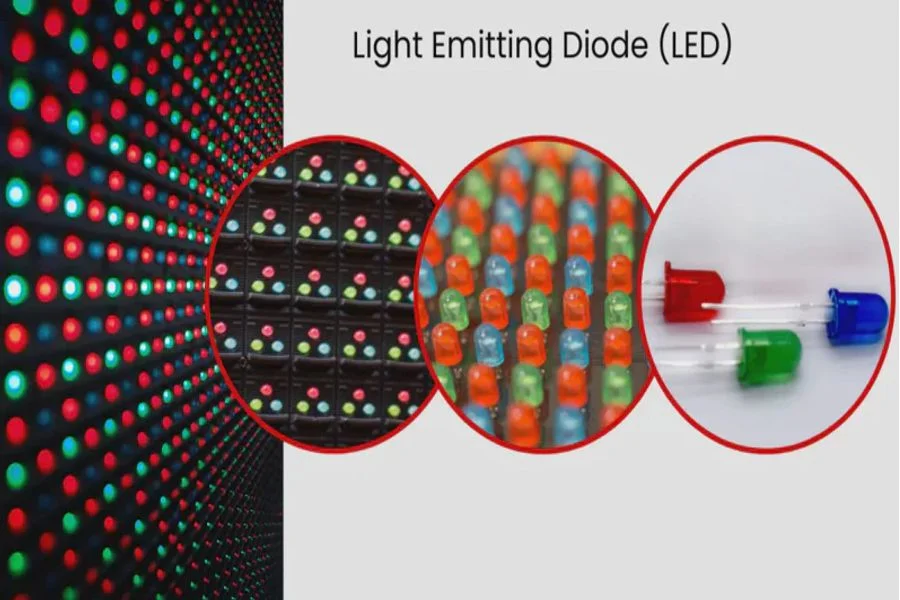
What is the meaning of LED?
The meaning of LED lies in its ability to convert electrical energy into light. The term LED in meaning can be broken down as follows: "Light Emitting" refers to the phenomenon of light emission, while "“diode”The term "LED" indicates that it is a type of semiconductor device that allows the passage of electric current in only one direction. In the context of electronics, "LED" can be seen as an essential component for efficient lighting and display technologies.
The significance of LEDs goes beyond simple illumination; LEDs are now commonly used in... electronics, in the automotive industry, in television screens and in digital displays. In fact, the use of LEDs extends to various everyday applications due to their efficiency, durability, and versatility.
Definition of LEDs
To define LEDs more clearly, we can say that they are solid-state devices that emit light when an electric current flows through a semiconductor material. Unlike traditional incandescent bulbs, which use filaments to produce light, LEDs use a much more efficient process. This makes them much more energy-efficient, more durable, and environmentally friendly.
Furthermore, the significance of LEDs lies in the fact that they offer a wide range of color options, from bright whites to intense reds, greens, and blues, which can be customized in various ways. This versatility makes LEDs perfect for both functional lighting and decorative purposes.
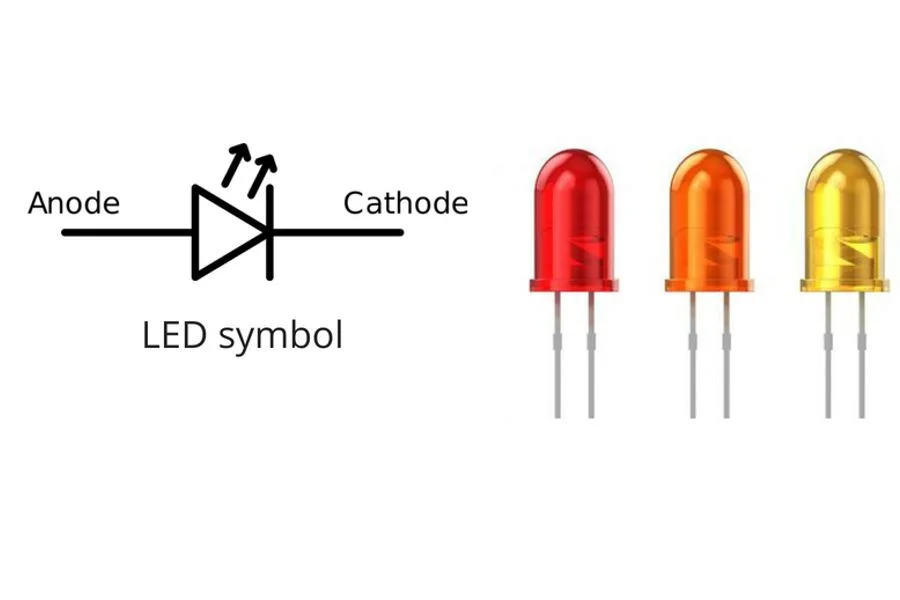
How do LEDs work?
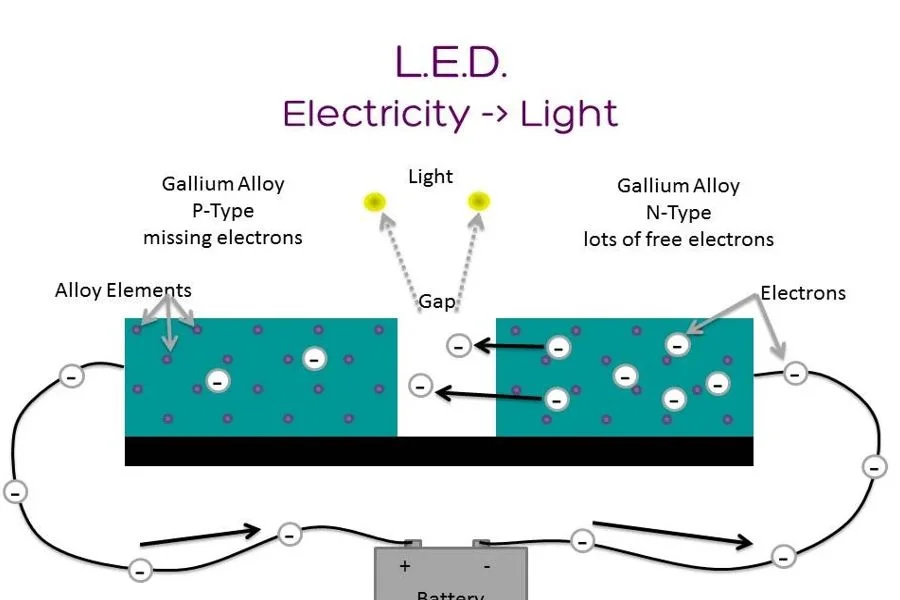
Understanding what LEDs are involves knowing how they work on a technical level. When an electric current passes through the semiconductor, it excites the atoms inside, causing them to emit light.
This process is known as electroluminescence. The color of the emitted light depends on the materials used in the construction of the LEDs.
Why is LED important?
The importance of LEDs cannot be underestimated: in addition to consuming far less energy than traditional lighting sources, they also have a longer lifespan, which means fewer replacements and less waste.
For example, the definition of LEDs as efficient lighting solutions is one of the reasons why they are used in everything from streetlights to computer screens.
The compact size of the LED also makes it suitable for modern technology. Whether you're curious about what an LED is or what LED means, it's clear that LEDs are an integral part of many of the devices we use daily, from smartphones to smart TVs and even digital displays.
What does LED mean in everyday life?
When we ask “What is LED?”, we are referring to a technology that powers a vast range of devices and systems. The answer to the question “what is an LED” can be found in its widespread use in digital displays, indicators, traffic lights, and even Christmas decorations. The significance of LED has expanded far beyond simple lighting, playing an important role in entertainment, communication, and even healthcare.
Conclusion
In conclusion, the significance of LEDs goes beyond the light emitted by these devices, also encompassing their efficiency, environmental friendliness, and versatility. Whether searching for "meaning of LED," "what does LED mean," or "what are LEDs," it becomes clear that LEDs are shaping the future of lighting and technology in countless ways. From energy savings to their diverse applications in modern technology, LEDs are an essential part of our daily lives.
So when you ask, “What is an LED?”, remember that it’s more than just a light source; it’s a revolutionary innovation in the world of electronics and far beyond.