


What is a digital totem?
A digital totem is a standalone digital signage panel designed to capture attention, provide interactive experiences, and communicate essential information in public spaces. Unlike traditional billboards or static posters, a digital totem offers dynamic and engaging content that can be updated in real time, making it a powerful tool for businesses across various sectors. Whether for advertising, guidance, or live information dissemination, digital totems are designed to enhance customer interaction and optimize information flow.
You digital kiosks They are frequently seen in high-traffic areas, such as shopping malls and airports., retail stores, Museums and corporate lobbies. These displays can vary in size and functionality, from simple single-sided screens to... interactive kiosks more complex. The main appeal of digital kiosks lies in their ability to combine high-quality visuals with user interaction, providing a modern and professional look that enhances the company's brand and customer experience.
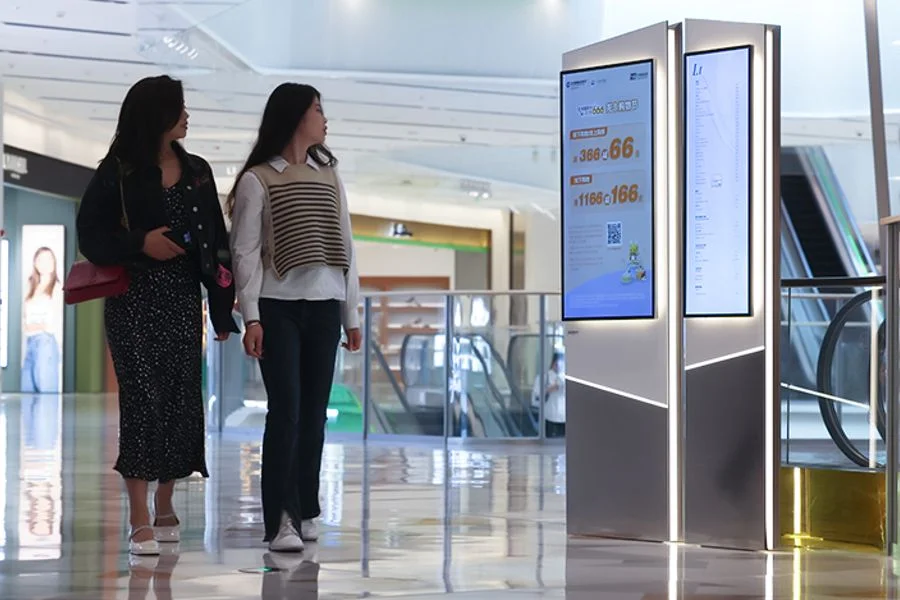
Key features of a digital totem
High quality screen
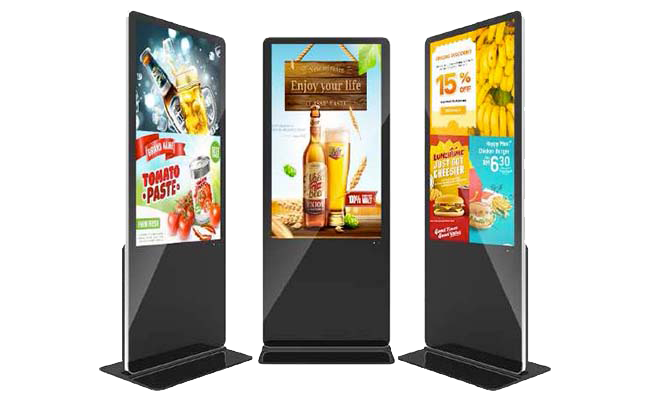
Interactive touchscreen features
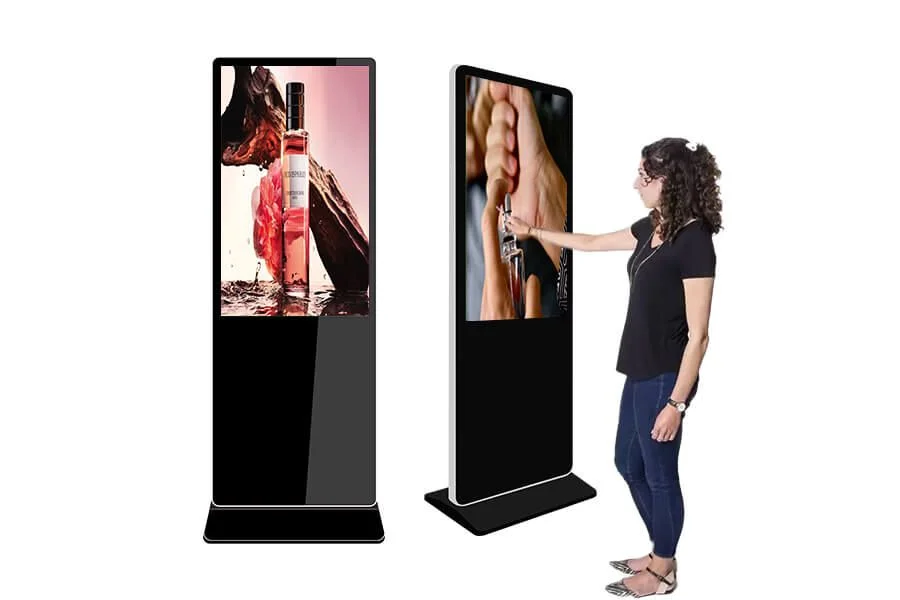
For external and internal use.
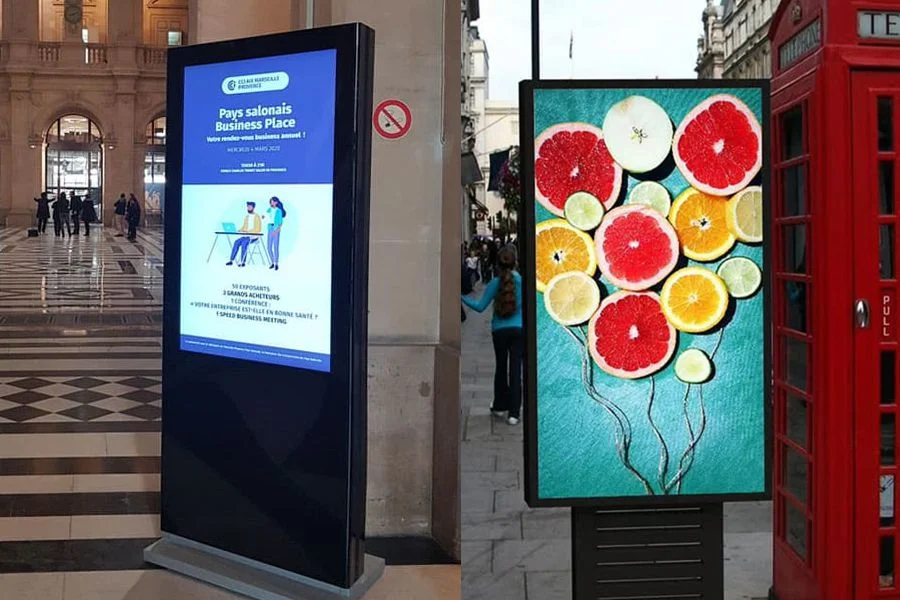
Content Management System (CMS) Integration
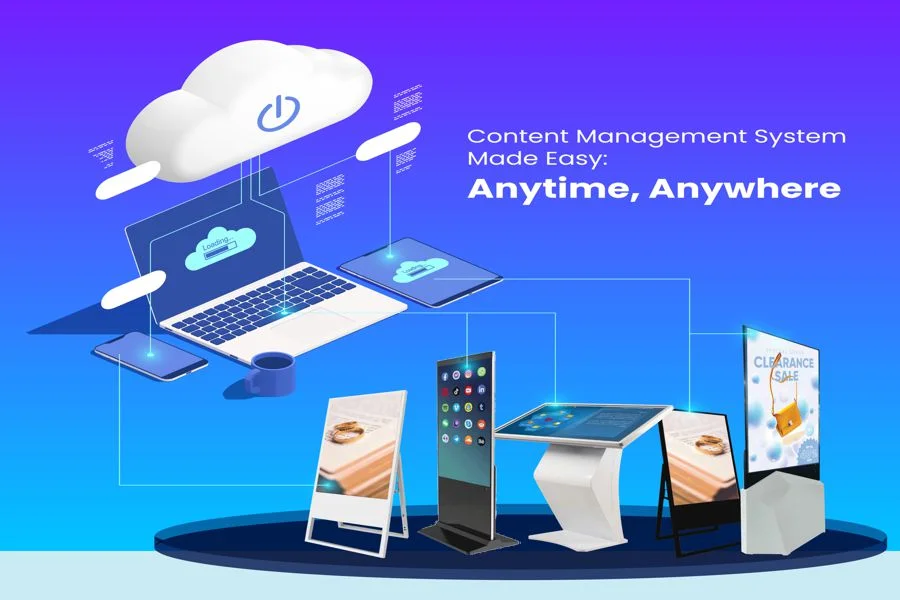
Modular Design
Many digital kiosks feature a modular design that allows for easy installation and maintenance. Whether replacing a screen, adding a new module, or upgrading components, these kiosks are designed to offer flexibility and ease of use.
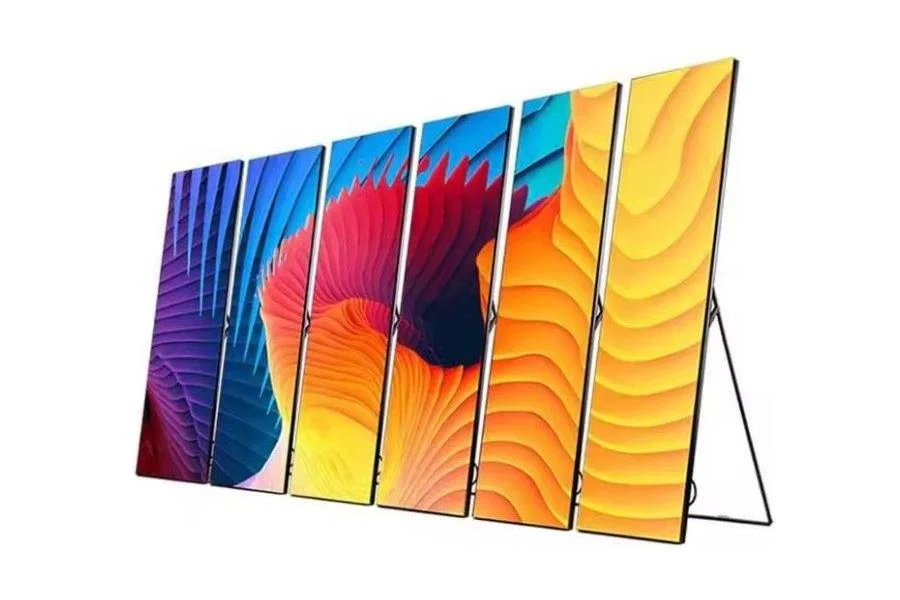
Technical details of a digital totem
Screen type
Most digital kiosks have LED or LCD screens. LED screens are known for their energy efficiency, brightness, and durability. LCD screens are generally used for their crisp image quality, although they may not be as bright as LED screens.
Resolution
Digital totems are available in various resolutions, including Full HD (1920 x 1080) and 4K (3840 x 2160). Higher resolutions are ideal for commercial graphics and video content.
Shine
Brightness is an important factor for digital totems, especially for external digital displays. Brightness levels for outdoor digital totems can range from 2,500 to 5,000 nits, ensuring visibility in direct sunlight. Internal displays They typically have brightness levels between 400 and 2,000 nits, depending on the environment.
Connectivity
Digital kiosks typically offer a variety of connectivity options, such as Wi-Fi, Ethernet, HDMI, and USB. This allows for seamless content streaming, remote access, and easy installation of external devices.
Energy consumption
THE energy consumption Energy consumption varies depending on screen size, display technology, and brightness. Outdoor kiosks generally consume more energy due to the higher brightness levels required for visibility in outdoor environments.
Operating System
Most digital totems use Android, Linux, or Windows operating systems. The operating system facilitates the proper functioning of the digital signage, allowing the display of multimedia content, including videos, images, and interactive applications.
Touch Technology
Digital kiosks typically feature capacitive touchscreens, which support multi-touch gestures such as pinch-to-zoom and swipe. These screens offer high responsiveness, making the user experience smooth and intuitive.
Benefits of Digital Kiosks
Enhanced customer engagement
Digital kiosks are highly interactive, providing an engaging customer experience. Whether browsing a product catalog, viewing advertisements, or consulting a map, the touch-sensitive interface encourages users to interact with the screen in meaningful ways. This level of interactivity creates a more personalized experience that can lead to greater customer satisfaction and longer engagement times.
Real-time content updates
One of the main advantages of digital totems is the ability to update content in real time. This eliminates the need for printed materials, which are expensive and time-consuming. Content can be programmed and updated remotely from anywhere, ensuring that customers always receive the latest information, promotions, and announcements.
Visual Identity and Marketing
The striking appearance and dynamic nature of digital totems allow companies to effectively reinforce their brand. Whether for product promotion, marketing campaigns, or in-store advertising, digital totems serve as powerful tools to showcase your products and services, helping you stand out in a competitive market.
Economical and ecological
Although the initial investment in digital totems may be higher than that of traditional signage, they offer long-term savings. There are no printing costs, and content can be updated instantly, reducing the need for physical materials. Furthermore, the energy efficiency of LED screens contributes to sustainability, consuming less energy compared to traditional lighting systems.
Increase customer traffic and sales.
The eye-catching nature of digital totems helps direct customer traffic to stores, shopping malls, and other commercial establishments. The visual appeal of high-quality images and interactive features draws people in, making them more likely to stop and interact with the display. This can lead to increased sales, brand recognition, and customer loyalty.
Application of the Digital Totem?
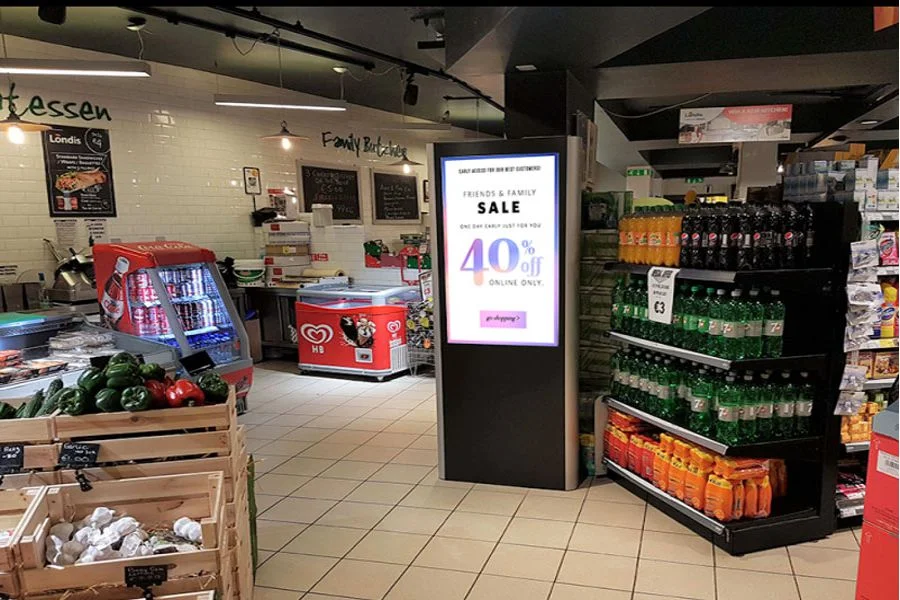
Retail stores
Display product information, promotional content, and store directories to enhance the customer's shopping experience.
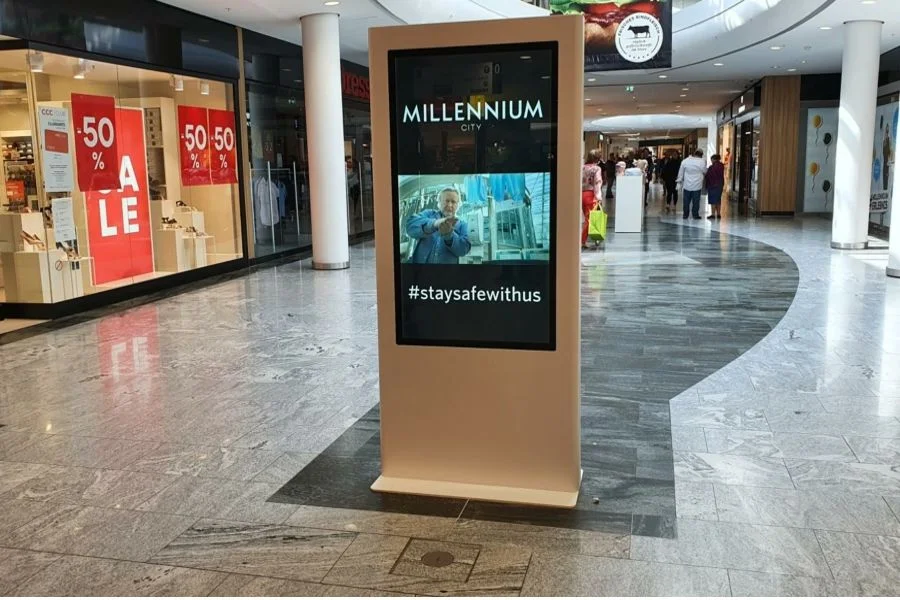
Shopping centers
Offer interactive location maps, digital ads, and event listings to attract visitors.
Airports
Display flight information, gate updates, and interactive directories that help passengers easily find their way around airports.

Corporate Offices
Utilize digital kiosks for internal communication, event scheduling, and visual identity in office spaces.
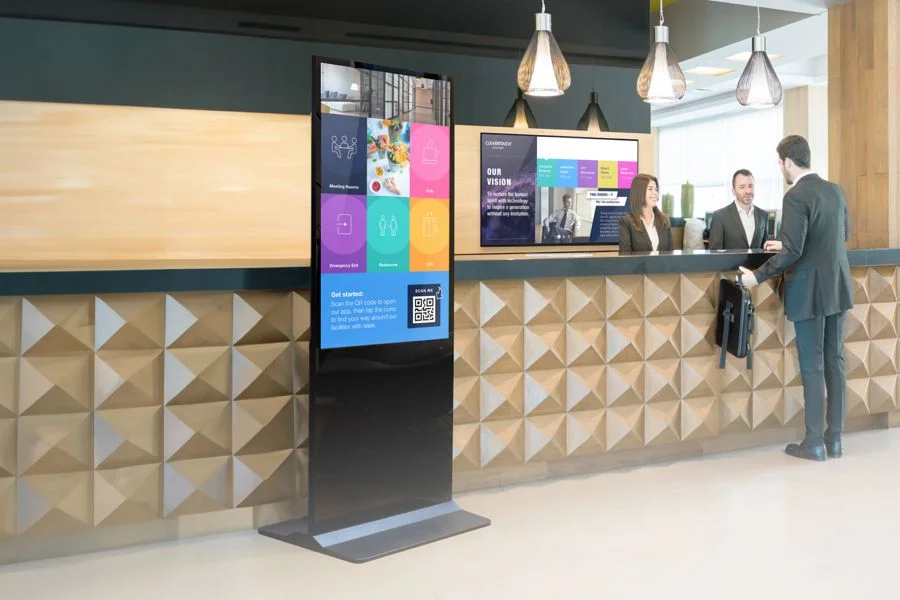
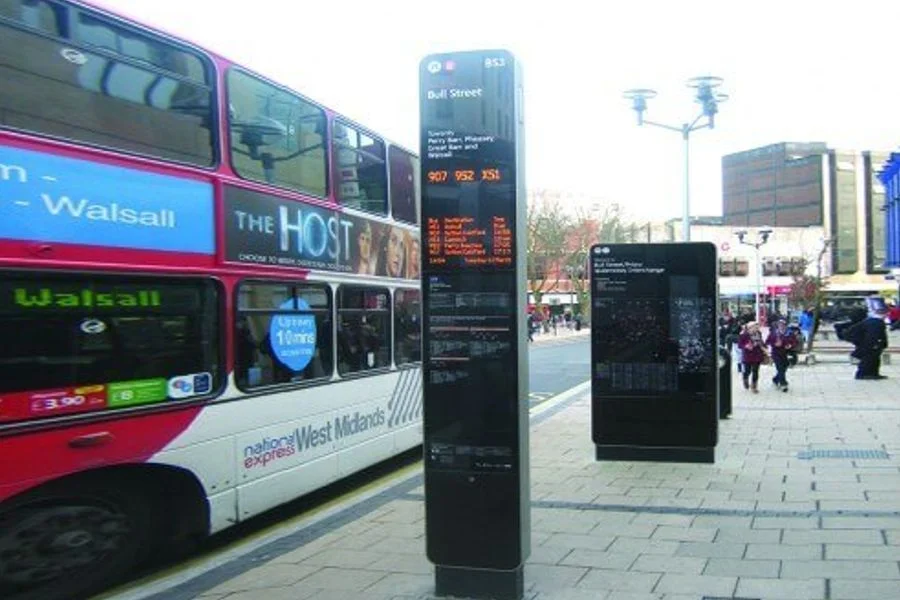
Transportation Hubs
They provide updates on public transportation, route information, and real-time emergency alerts.
Airports
Display flight information, gate updates, and interactive directories that help passengers easily find their way around airports.
Conclusion
Digital totems represent the future of interactive advertising and digital signage. They combine aesthetics and functional technology, offering businesses an efficient way to communicate with customers. Whether for guidance, advertising, or providing real-time information, digital totems create an immersive and engaging experience that can significantly enhance any space.
We offer a range of customizable digital totems, Adapted to your business needs. Explore our options and integrate a digital totem into your space today!